
Article

Sensu (Japanese folding fans) are used in many settings—from everyday life to lessons, ceremonies, and celebrations. Today, many people also choose sensu fans as gifts or Japanese souvenirs, so understanding the different types of sensu can help you select the right one. This guide explains Japanese sensu fans by material, purpose, production region, size, and design, and also covers correct handling and care.
Types by Material
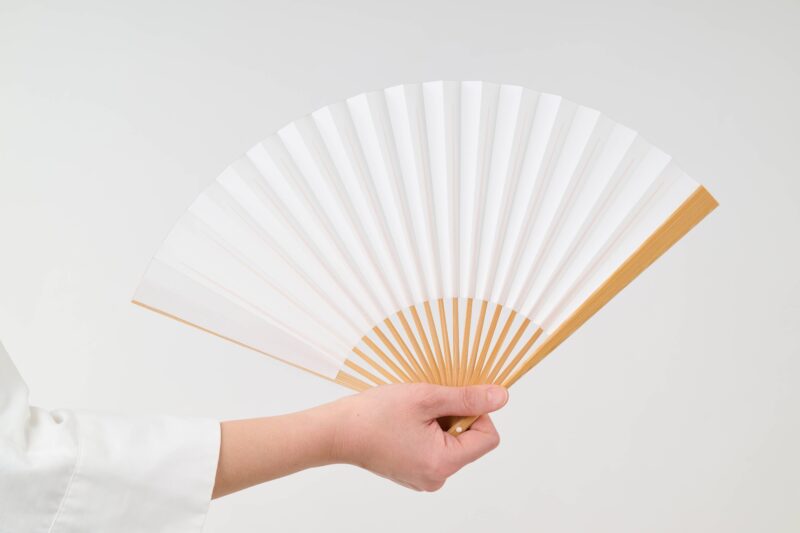
Paper Sensu
Paper sensu have a paper fan surface (often made with layered base paper), into which the bamboo ribs are inserted. They are the most common type of Japanese folding fan, available in a wide variety of sizes and designs. Some models use washi (traditional Japanese paper).

Fabric Sensu (Kiji/Nuno Sensu)
Also known as fabric sensu, these Japanese fans use textiles such as silk or polyester and often have a light, airy appearance. Fabric is typically applied to one side only, so the ribs are visible on the reverse.
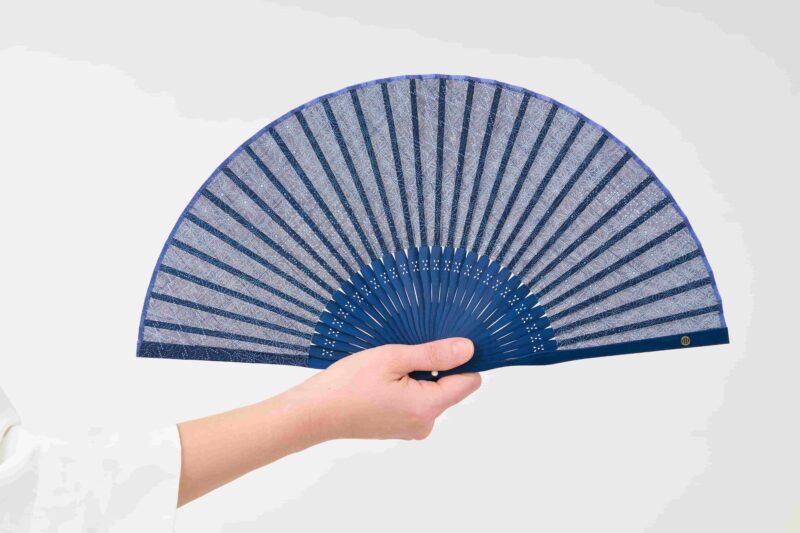
Sandalwood Sensu (Byakudan Sensu)
Made from fragrant sandalwood (native to India). The wood itself emits a gentle, sweet fragrance and may feature delicate openwork carving.

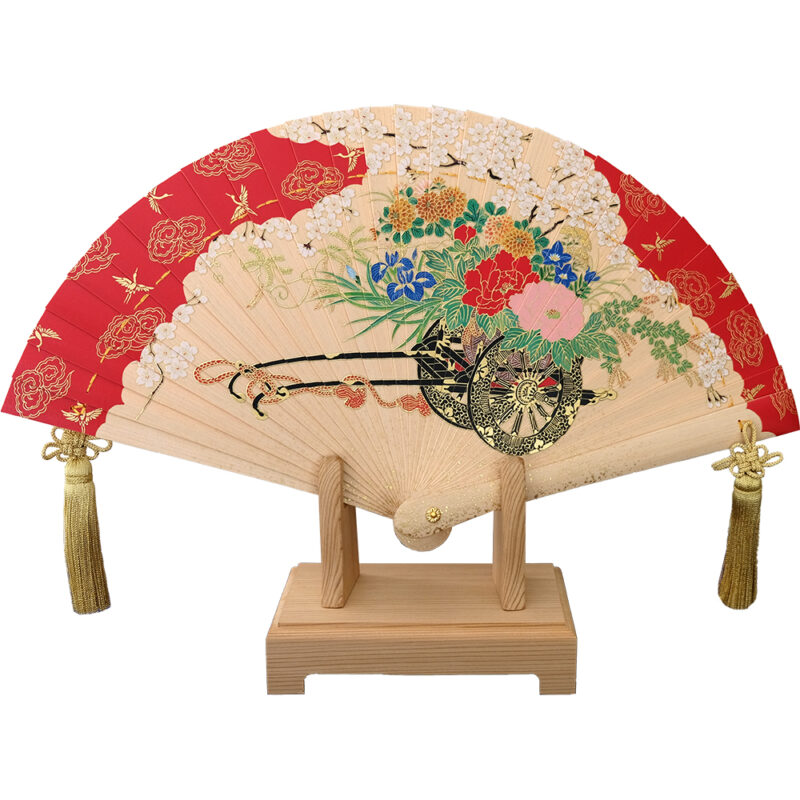
Hiōgi (Cypress Slat Fan)
A traditional Japanese fan made from thin cypress slats bound with silk thread and fixed at the pivot. Originating in the Heian period and historically used at court, modern hiōgi often feature luxurious decorative finishes and are popular as interior display gifts.
Types by Purpose
Summer Sensu
Paper or fabric Japanese folding fans used for cooling. In everyday Japanese usage, “sensu” often refers to summer sensu.

Decorative Sensu
Fans intended for display in homes or shops. They are displayed opened and are not used for fanning. Seasonal scenes and auspicious motifs are common.
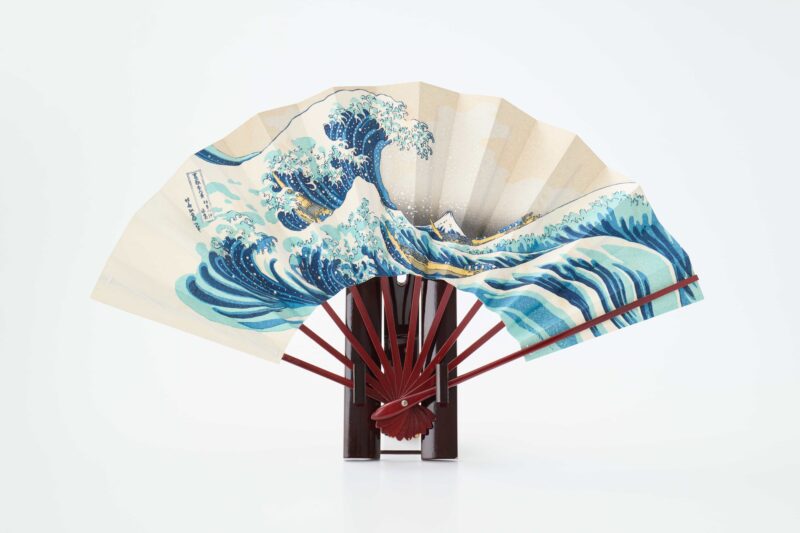
Mai Sensu (Dance Fans)
Used in Japanese dance. They often feature gold or silver designs for strong stage presence.
Shimai Sensu (Noh/Kyōgen Fans)
Used in traditional performing arts such as Noh and Kyōgen theatre.
Shūgi Sensu (Formal Celebration Fans)
Used with formal kimono attire at weddings and ceremonial occasions.
Tea Ceremony Sensu (Cha Sensu)
A smaller fan used as an etiquette accessory in Japanese tea ceremony.

Types by Region (Japan)
Edo Sensu (Tokyo)
Known for simple yet bold designs such as komon, stripes, animals, or calligraphy.
Kyō Sensu (Kyoto)
Only workshops belonging to the Kyoto Sensu & Uchiwa cooperative may use the name “Kyō Sensu.”
Nagoya Sensu (Aichi)
One of Japan’s major sensu production areas.
Ōmi Sensu (Shiga)
Made with Takashima bamboo fan ribs finished with washi.
Types by Size
Common reference sizes are:
• Men: 7.5 sun, 35 ribs (approx. 22 cm)
• Women: 6.5 sun, 35 ribs (approx. 19.5 cm)
• Unisex: 7 sun (approx. 21 cm)
Types by Design (Motifs)
Many traditional Japanese fan motifs carry auspicious meanings:
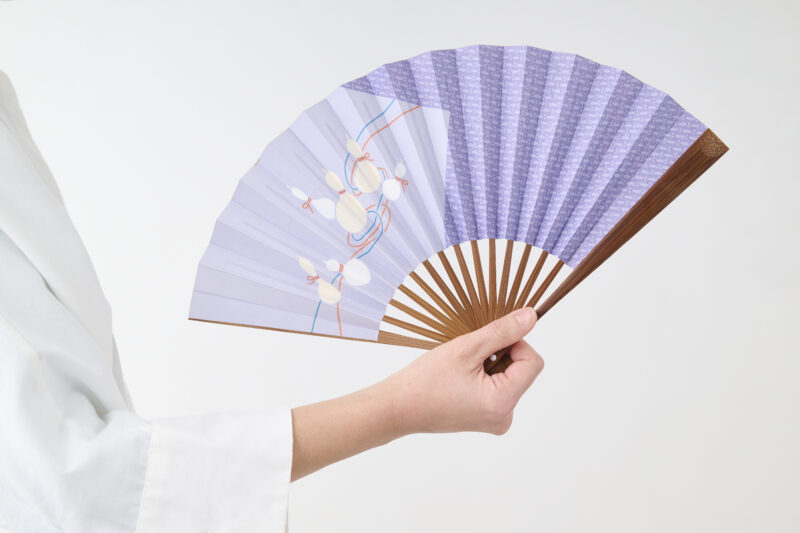
Gourd – Prosperity, good fortune, business success, health
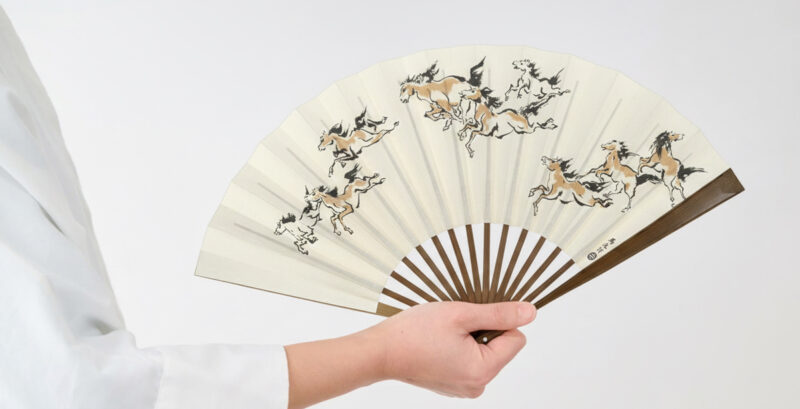
Horse – Good fortune and success
Bamboo – Longevity and resilience
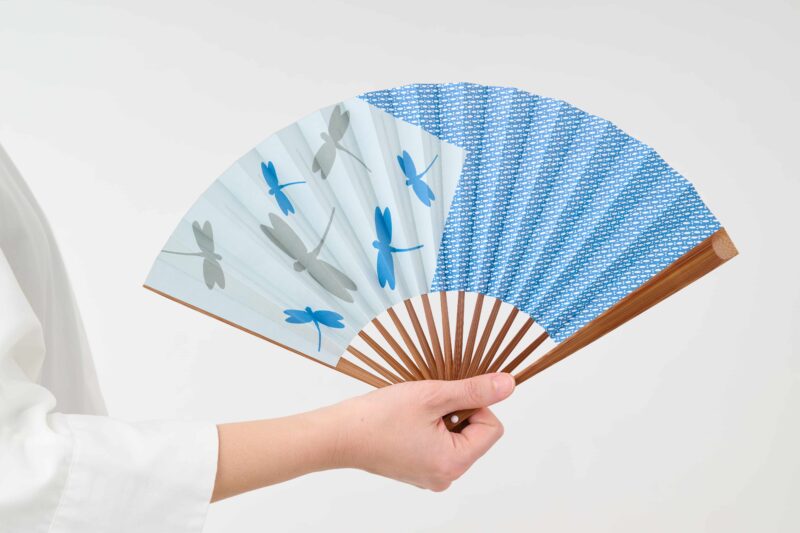
Dragonfly – “Victory insect” symbolising success
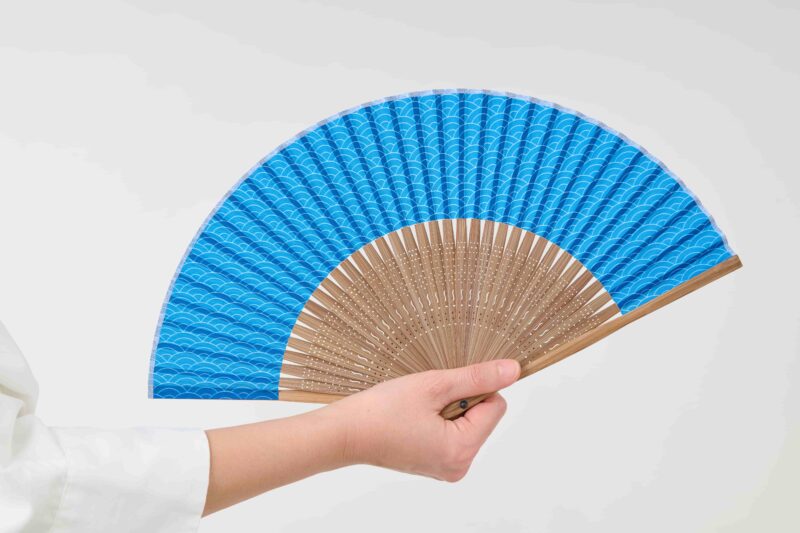
Seigaiha – Waves symbolising peace and lasting happiness
Correct Use and Care
How to hold a sensu
Hold the pivot area and rest your thumb on the guard rib. Proper grip enhances the elegance of movement.

How to open and close
Open the fan slowly with both hands. Avoid forcing it open.
Care and storage
After use, keep the fan closed and store it in a fan pouch when possible.
Care and storage
After use, keep the fan closed and store it in a fan pouch when possible.
Etiquette and Precautions
• Be considerate in public spaces.
• Avoid rapid, noisy fanning.
• Use fragrance sparingly.
Choose the Right Sensu Before You Buy
Japanese sensu fans are enjoyed for daily comfort and also valued as meaningful gifts. By choosing the appropriate type and caring for the fan properly, you can enjoy your sensu beautifully for a long time.